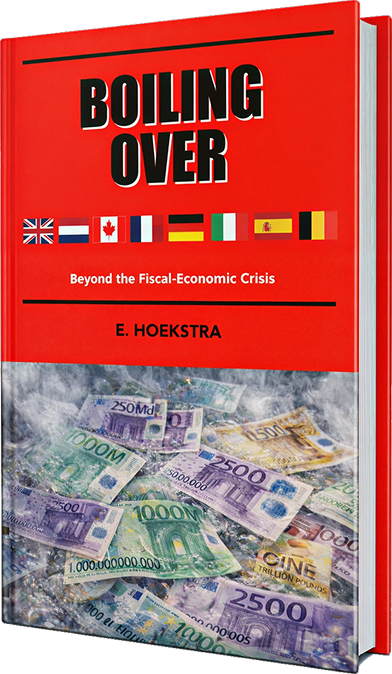
The first book made the diagnosis. The math was sound, the historical analogies were clear, and the trajectory was inevitable. Most readers who took the analysis seriously accepted that conclusion.
But At the Boiling Point raised a question it did not answer: what do people actually do when the system fails? Not what they should do. Not what policymakers prescribe. What they actually do—time and again, throughout history.
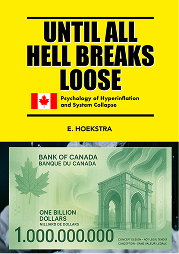
After the Boiling Point comes the cascade: Canada as the canary, the United Kingdom as the pressure valve, France as the structural reversal, Italy as the fuse in the powder keg. Eight countries, one pattern—each with its own pathology, each at its own moment. And behind it all: the global context that increases the pressure. The U.S. as a magnet for talent and capital. China as a deflationary shadow. India and Africa as demographic countercurrents.
The answer to that question turns out to be more encouraging than the question suggests. After Weimar came the Wirtschaftswunder. After the Argentine crash, a generation of entrepreneurs rebuilt from scratch. Reconstruction always begins the same way: not with an institution, not with a plan—but with a person who sees the gap between what is and what ought to be, and decides to bridge that gap.
This is not a book about the collapse. That analysis is in Part I. This book is about what comes
next—and